5 Essential Tips to Extend the Lifespan of Your Inflatable Tent
A high-quality inflatable tent is a long-term investment. Whether you're using it for camping, outdoor events, emergency response, glamping, exhibitions, or commercial operations, proper maintenance can significantly increase its service life while reducing repair costs.
At WINSUN, we manufacture commercial inflatable tents using heavy-duty PVC-coated fabric in both continuous inflation and sealed air (airtight) structures. With proper care, these tents can remain reliable for many years, even under frequent outdoor use.
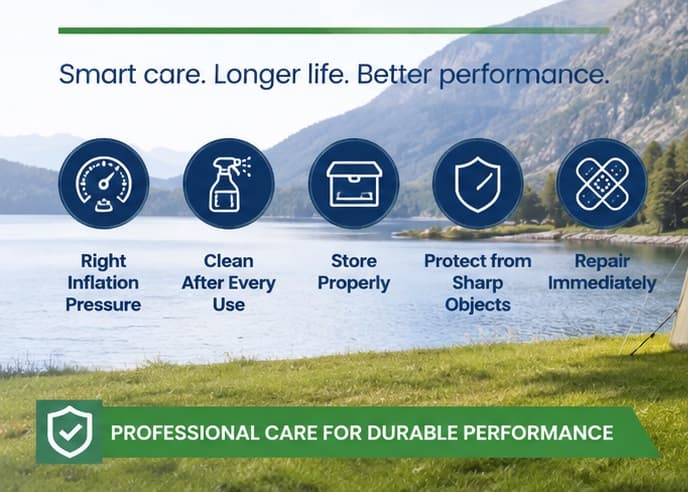
Here are five professional maintenance tips to help you get the maximum lifespan from your inflatable tent.
1. Choose the Right Inflation Pressure
One of the most common reasons inflatable tents wear out prematurely is incorrect air pressure.
For Continuous Inflation Tents
Continuous inflation tents are powered by an electric blower that constantly supplies air. They automatically maintain operating pressure, so users should simply:
- Use the supplied blower
- Keep all air tubes unobstructed
- Ensure ventilation openings remain clear
- Never replace the blower with a higher-powered model
Since these tents are designed for continuous airflow, the pressure remains stable without manual adjustment.
For Airtight (Sealed Air) Tents
Airtight tents only require inflation once. Avoid over-inflation, especially during:
- Hot summer afternoons
- High-altitude environments
- Long periods under direct sunlight
As temperature increases, the internal air expands naturally, increasing pressure inside the air beams.
Professional Tip
Inflate the tent until the support beams are firm but not rock hard. Slight flexibility helps absorb wind loads and reduces stress on welded seams.
2. Clean Your Tent After Every Use
Dust, sand, mud, leaves, saltwater, and chemical residues gradually damage PVC fabric if left on the surface.
Recommended Cleaning Process
- Remove loose dirt using a soft brush.
- Wash with clean water.
- Use mild soap when necessary.
- Wipe with a soft sponge or microfiber cloth.
- Allow the tent to dry completely before packing.
Avoid These Cleaners
Never use:
- Bleach
- Strong solvents
- Gasoline
- Alcohol-based industrial cleaners
- Abrasive brushes
These chemicals can weaken PVC coatings and reduce waterproof performance. For tents used near beaches, always rinse away saltwater, as salt crystals accelerate material aging.
3. Store the Tent Properly
Improper storage is one of the biggest causes of mildew, discoloration, and fabric damage.
Before Storage
Always ensure the tent is:
- Completely dry
- Free of dirt
- Properly folded
- Packed without excessive compression
Ideal Storage Environment
Store the tent in:
- A cool, dry location
- Good ventilation
- Away from direct sunlight
- Away from rodents and sharp tools
- Moderate temperatures
Avoid storing inflatable tents inside hot shipping containers or vehicles for extended periods. Long-term exposure to excessive heat can shorten the lifespan of PVC materials.
4. Protect the Tent from Sharp Objects
PVC-coated fabric is extremely durable but is not puncture-proof.
Before installation:
Inspect the ground carefully and remove:
- Rocks
- Branches
- Nails
- Broken glass
- Metal debris
Whenever possible, place a protective groundsheet beneath the tent.
During use:
- Keep knives and sharp tools away from the fabric.
- Prevent pets from scratching the surface.
- Avoid dragging the tent across rough concrete or asphalt.
- Keep open flames and high-heat equipment at a safe distance.
Simple precautions greatly reduce accidental damage.
5. Repair Minor Damage Immediately
Small punctures can quickly become major repairs if ignored. Regularly inspect:
- Air beams
- Welded seams
- Stitching (continuous inflation models)
- Valves
- Anchoring points
- Connection areas
If a small puncture or leak is found:
- Clean the damaged area.
- Dry the surface completely.
- Apply a compatible PVC repair patch.
- Follow the adhesive curing time before reinflating.
Prompt repairs prevent air loss and stop damage from spreading. For large tears or structural damage, contact the manufacturer for professional repair guidance.
Continuous Inflation vs Airtight Tents: Maintenance Comparison
| Maintenance Item |
Continuous Inflation Tent |
Airtight Tent |
| Air Supply |
Continuous blower |
Inflate once |
| Pressure Adjustment |
Automatic |
Manual check occasionally |
| Daily Inspection |
Blower and air tubes |
Air pressure and valves |
| Maintenance Focus |
Blower performance |
Airtight integrity |
| Typical PVC Material |
0.55–0.60 mm PVC-coated fabric |
0.90 mm PVC-coated fabric |
| Repair Method |
PVC patch + stitching inspection |
PVC heat-weld or patch repair |
Additional Tips for Commercial Users
Businesses that frequently deploy inflatable tents can further extend product life by following a maintenance schedule.
Weekly
- Check anchor points
- Inspect zippers and doors
- Examine air tubes or valves
- Remove surface dirt
Monthly
- Inspect seams and welded joints
- Check for small leaks
- Test blower performance (continuous inflation models)
- Inspect repair patches
Annually
- Perform a full structural inspection
- Replace worn accessories if needed
- Deep clean the entire tent
- Record maintenance history
Routine inspections help identify small issues before they become expensive repairs.
Why Quality Materials Matter
Proper maintenance is only part of the equation. The durability of an inflatable tent also depends heavily on the materials used during manufacturing.
At WINSUN, we use commercial-grade PVC-coated fabric specifically selected for different inflatable structures:
Continuous Inflation Tents
- 0.55–0.60 mm PVC-coated fabric
- Lightweight with excellent flexibility
- Ideal for frequent setup and transportation
- Strong tear resistance for repeated commercial use
Airtight (Sealed Air) Tents
- 0.90 mm PVC-coated fabric
- Heat-welded airtight structure
- Excellent air retention
- Superior rigidity and durability
- Suitable for long-term deployment without continuous power
Combined with reinforced stress points, high-frequency welding, and strict quality control, these materials provide outstanding durability for demanding outdoor environments.
Conclusion
A commercial inflatable tent represents a valuable investment. With proper inflation, regular cleaning, careful storage, timely repairs, and protection from unnecessary wear, you can extend its lifespan significantly while maintaining excellent performance.
Whether you choose a continuous inflation model for rapid deployment or an airtight inflatable tent for quieter, energy-efficient operation, following these maintenance practices will help maximize reliability and reduce long-term ownership costs.
If you're looking for durable, commercial-grade inflatable tents built for years of outdoor use, WINSUN offers customized solutions manufactured with premium PVC-coated fabric and professional craftsmanship to meet the needs of rental companies, event organizers, emergency responders, and outdoor professionals worldwide.
FAQ
1. How long does a commercial inflatable tent last?
With proper maintenance and normal commercial use, a high-quality PVC inflatable tent can typically last 5–10 years or longer, depending on usage frequency, environmental conditions, and storage practices.
2. Should I leave my inflatable tent inflated all the time?
Continuous inflation tents are designed to remain inflated while the blower is operating. Airtight tents can stay inflated for extended periods, but it's recommended to periodically check air pressure, especially during significant temperature changes.
3. Can PVC inflatable tents stay outside year-round?
While commercial PVC tents are designed for outdoor use, long-term exposure to intense sunlight, snow, and extreme weather will accelerate aging. When not in use, clean, dry, and store the tent properly to maximize its lifespan.
4. What is the difference in maintenance between continuous inflation and airtight tents?
Continuous inflation tents require routine blower inspections and airflow checks, while airtight tents need regular monitoring of air pressure, valves, and welded seams to maintain airtight performance.
5. How should I repair a small puncture?
Clean and dry the damaged area, apply a compatible PVC repair patch according to the adhesive instructions, and allow it to cure fully before reinflating. Prompt repairs help prevent minor damage from becoming larger structural issues.
About WINSUN Tents:
WINSUN Tents combines 19+ years of PVC manufacturing expertise with innovative inflatable engineering to deliver premium temporary structures for clients worldwide. From advertising tents to emergency shelters, we build solutions that outperform expectations.
Consultation Inquiries:
Email: Info@winsuntent.com
Website: www.winsuntent.com